Microverse
Trypanosoma cruzi
Trypanosoma cruzi
Couldn't load pickup availability
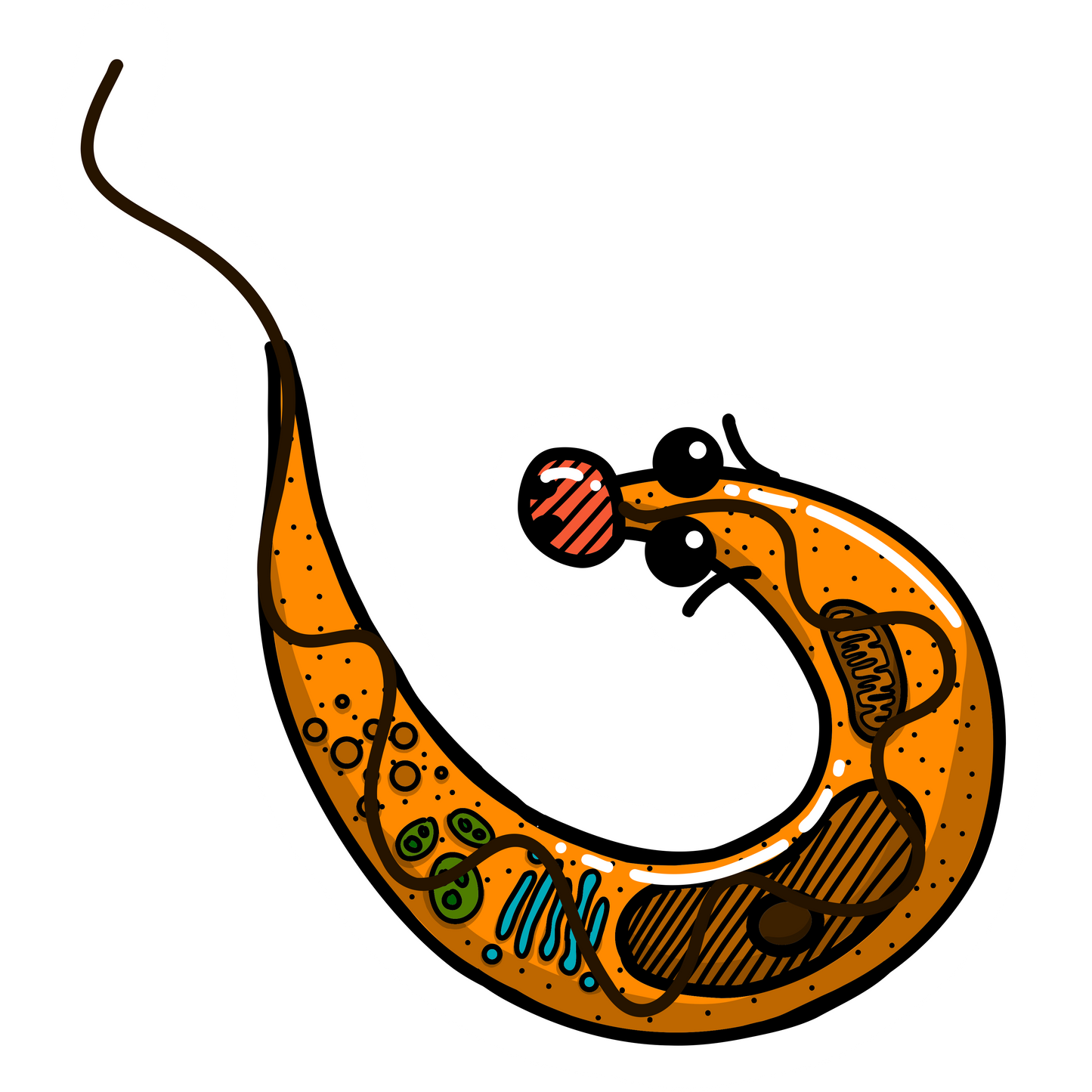
Trypanosoma cruzi is a fascinating single-celled parasite that causes Chagas disease, a tropical infection found primarily in Latin America. It is most often transmitted through the bite of triatomine bugs, also known as bedbugs or needy bugs, which leave their infected feces near the skin after biting. The parasite can also be transmitted from mother to child through blood transfusions, organ transplants, or the consumption of contaminated food.
The infection occurs in two phases. The acute phase, which occurs a few days to weeks after exposure, is often asymptomatic or presents with mild signs such as fever, fatigue, swelling at the bite site, headache, and muscle aches. In some cases, a characteristic swelling of one eye (Romana's sign) may appear. The chronic phase , which can manifest years later, primarily affects the heart and digestive system, leading to serious heart problems, heart failure, dilation of the esophagus or colon, and can become life-threatening.
Fortunately, effective parasite treatments exist, especially if the disease is detected early, allowing for a reduction in parasite load and limiting complications. Prevention relies on controlling bed bugs by improving housing and living conditions, using mosquito nets, and monitoring the safety of blood transfusions and food.
Trypanosoma cruzi is a formidable yet fascinating parasite, perfect for illustrating the complexity of the microscopic world. Add the Trypanosoma cruzi science sticker to your collection now and delve into the incredible world of parasites!
________________________________________________________________________________________________
PUN: Sleep tight and really don't let the bedbugs bite!
Partager