Microverse
Human Immunodeficiency Virus (HIV)
Human Immunodeficiency Virus (HIV)
Couldn't load pickup availability
HIV (human immunodeficiency virus) is a fascinating virus from a scientific perspective, but a formidable one when it infects humans. It primarily targets immune system cells, particularly CD4 lymphocytes, which it hijacks to multiply, progressively weakening the body's defenses. In the initial phase, some people experience flu-like symptoms such as fever, fatigue, sore throat, and swollen lymph nodes, while others remain completely asymptomatic. Without treatment, the virus can remain dormant for years before progressing to AIDS, a stage in which the immune system is too weakened to effectively defend itself against opportunistic infections and certain cancers.
HIV is transmitted through blood, unprotected sex, sharing needles, and from mother to child during pregnancy, childbirth, or breastfeeding if left untreated. While there is still no simple or universally applicable cure, current antiretroviral treatments can block viral replication, maintain an undetectable viral load, and ensure an excellent quality of life. An undetectable viral load also means no transmission of the virus (undetectable = untransmissible), a major advancement in public health.
However, there is one exceptional case that has marked the history of medicine: the “Berlin patient,” long considered the only patient cured of HIV. Suffering from both HIV and leukemia, he received a bone marrow transplant from a donor carrying a rare genetic mutation (CCR5-Δ32) that makes cells resistant to HIV. After the transplant, the virus became undetectable without treatment. Other similar cases have since been reported, but this approach remains extremely risky, complex, and not applicable on a large scale, reserved for very specific medical situations.
Prevention therefore remains essential and relies on the use of condoms, regular testing, PrEP for at-risk individuals, and PEP after potential exposure. HIV is now a powerful symbol of scientific, medical, and social progress, illustrating how research can transform a once-fatal disease into a manageable chronic infection.
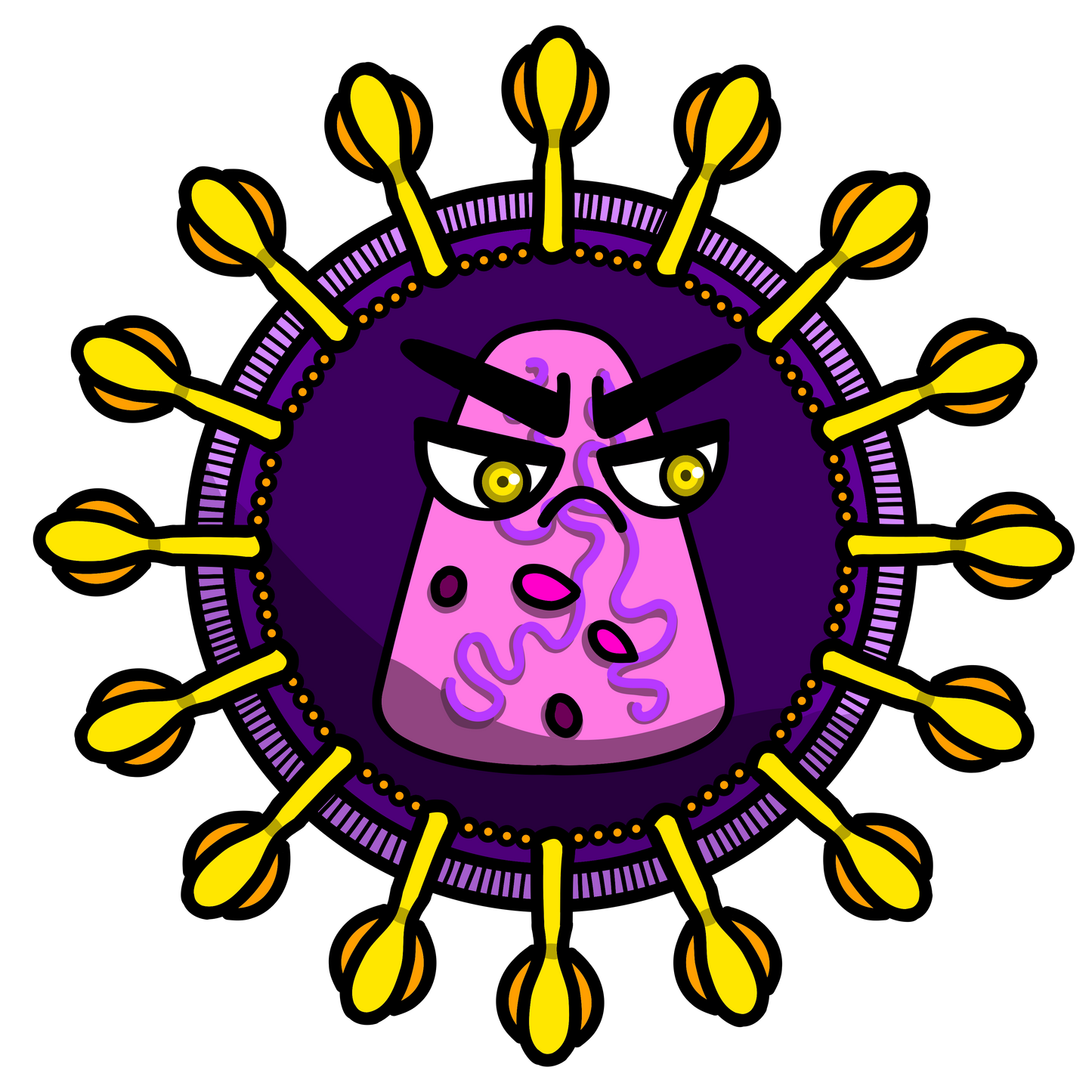
Want to show off your passion for science, prevention and great medical discoveries? Add the HIV sticker to your collection : a tiny virus, a huge human story and a sticker that makes you think.
____________________________________________________________________________________________
PUN: You won't break out in HIV-es, I'll do worse.
Partager